

Sparkling Wine Making
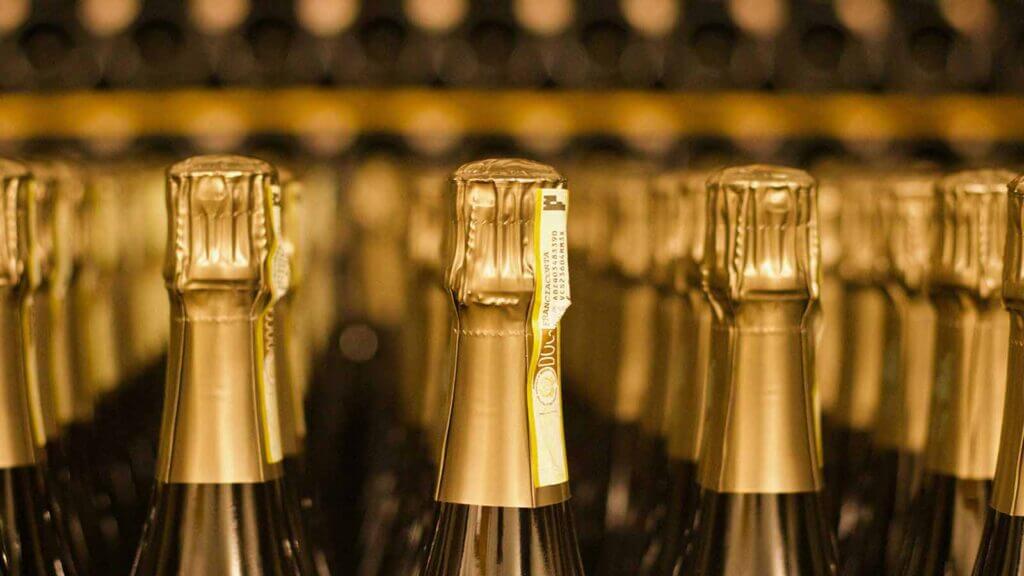
Sparkling wine making, from grape to glass, is a meticulous process that begins with hand-harvesting and gentle pressing to obtain the purest must. The juice undergoes fermentation, often in stainless steel or oak vats, with careful temperature control to preserve quality. A second fermentation in the bottle creates the signature sparkle of sparkling wine. Techniques like riddling and disgorging ensure clarity while aging on the lees adds complexity. The final touch is the addition of liqueur d’expedition before bottling, which perfects the wine’s balance and flavour.
Rose Wine Making
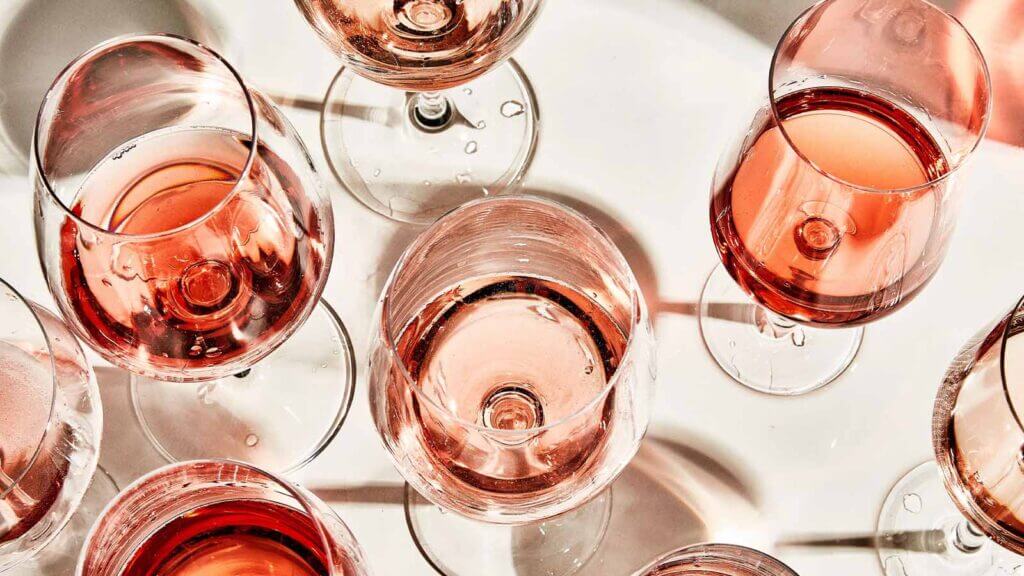
Rosé wine making involves several methods, with the most common being brief maceration, where red grapes have limited skin contact to achieve the desired colour. Techniques like the saignée method and vin gris also contribute to the variety of rosé wines available. The careful balance of anthocyanin extraction during winemaking impacts both colour and flavor, resulting in rosé wines that are typically enjoyed soon after release. From grape to glass, every decision in the winemaking process influences the final quality and character of the rosé wine.
White Wine Making
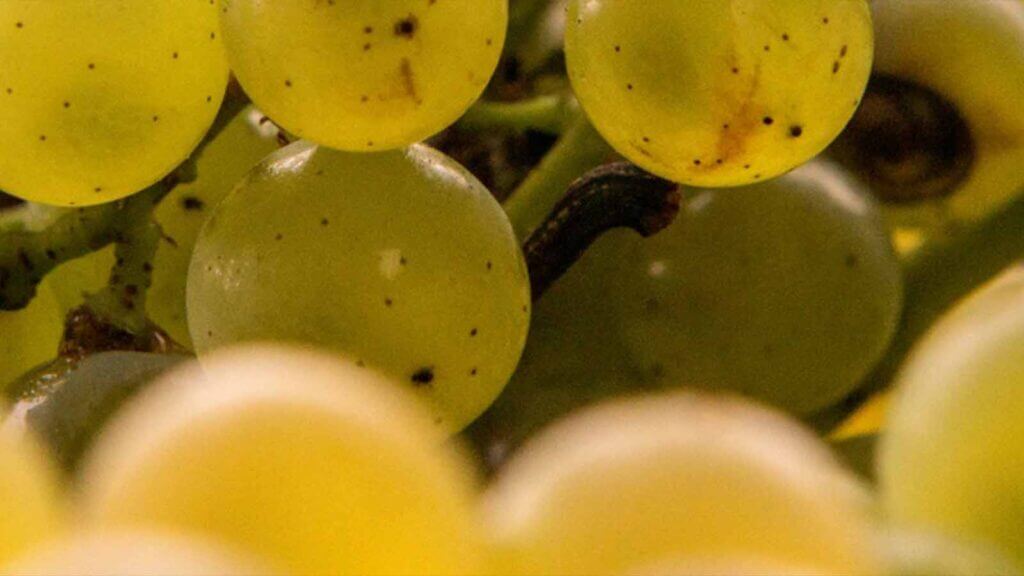
White wine making begins with carefully crushing and pressing grapes to extract high-quality juice, a crucial first step in the grape to glass process. Gentle pressing prevents the release of bitter flavours, preserving the natural character of the grapes. Fermentation, often in stainless steel vats, is controlled to maintain fruitiness and balance acidity. Some winemakers choose malolactic fermentation to soften acidity, adding complexity to the white wine. The final steps of clarification, stabilization, and bottling ensure that the wine is ready to be enjoyed.
Red Wine Making
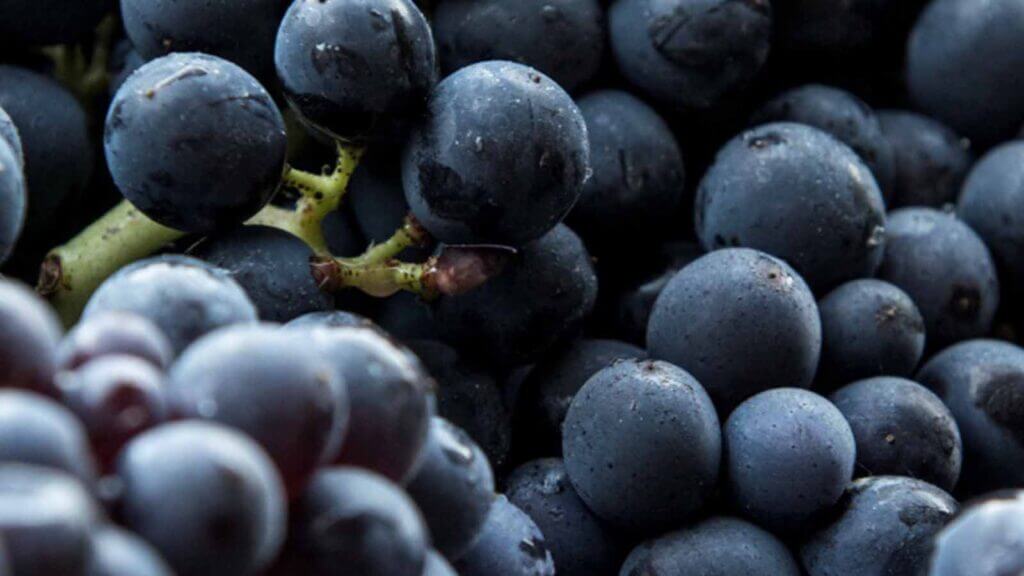
The journey from grape to glass in red wine making involves key processes like crushing, fermentation, and aging. Modern winemaking begins with crushing the grapes to release juice, followed by careful fermentation in stainless steel or oak vats to balance flavors and tannins. Techniques such as carbonic maceration and malolactic fermentation add complexity and soften acidity. Red wines are often matured in oak barrels, where they develop rich flavors. Each step in the winemaking process, from pressing to bottling, is crucial in creating high-quality red wine.
Winery
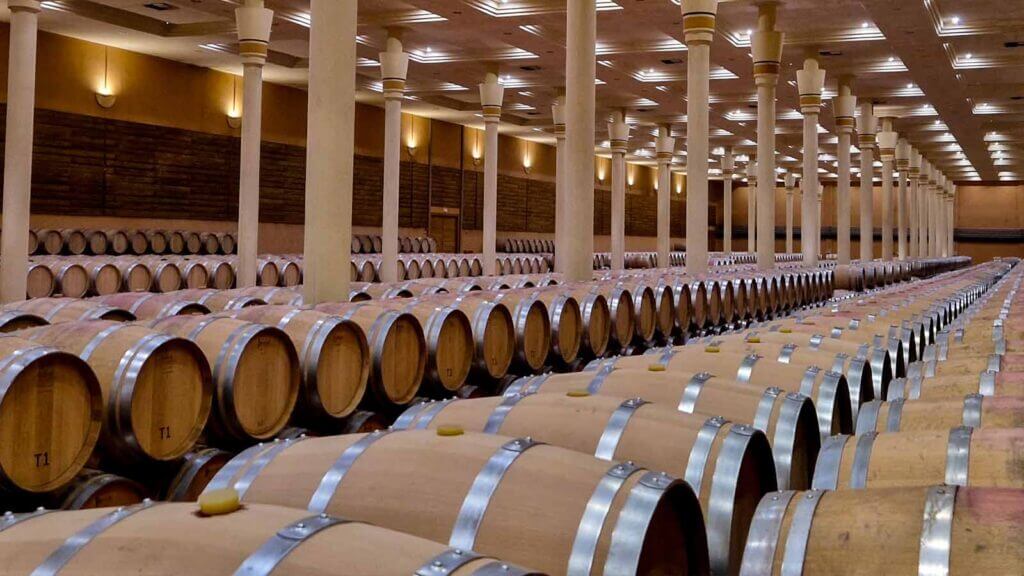
Winemaking is an intricate process that starts at the winery, where tools like the crusher-destemmer play a crucial role in the grape to glass journey. These machines, evolving since the late 19th century, are designed to crush vine grapes and separate them from stems, influencing the quality of the final product. From the cooling of must to fermentation in stainless steel vessels, every step in winemaking is meticulously controlled. Advances in technology and technique have empowered winemakers to craft wines of exceptional quality and character.
Vineyard
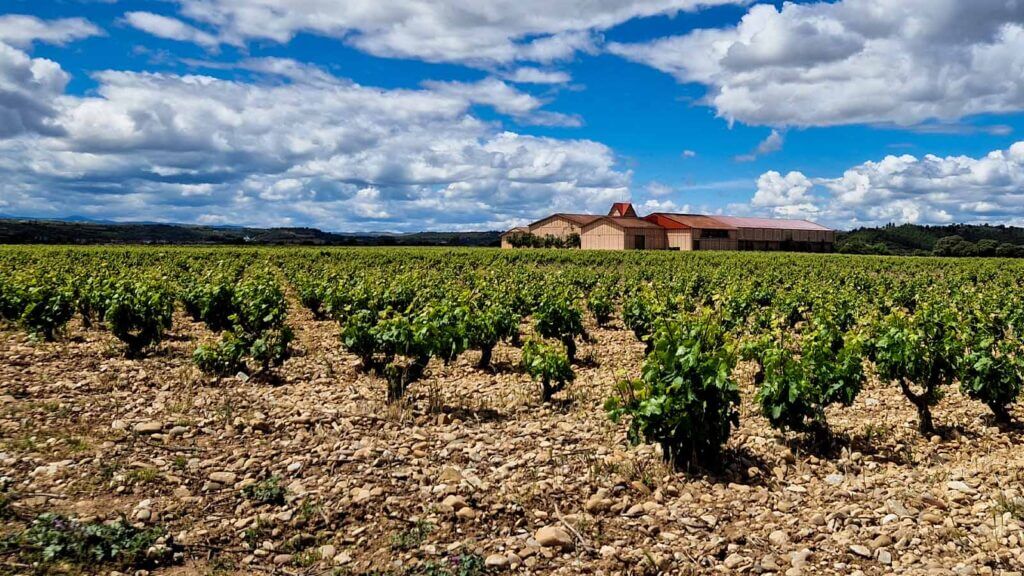
In the vineyard, the journey from grape to glass begins with understanding the intricate growth patterns of vine grapes. These plants, naturally climbers in the wild, are cultivated under specific conditions to optimize sunlight, soil moisture, and nutrients. The vineyard’s annual routine—from winter pruning to autumn harvest—plays a crucial role in shaping the quality of wine. Factors like terroir, which includes climate, soil, and landscape, directly influence the character and yield of vine grapes, ultimately impacting the wine’s final taste.