

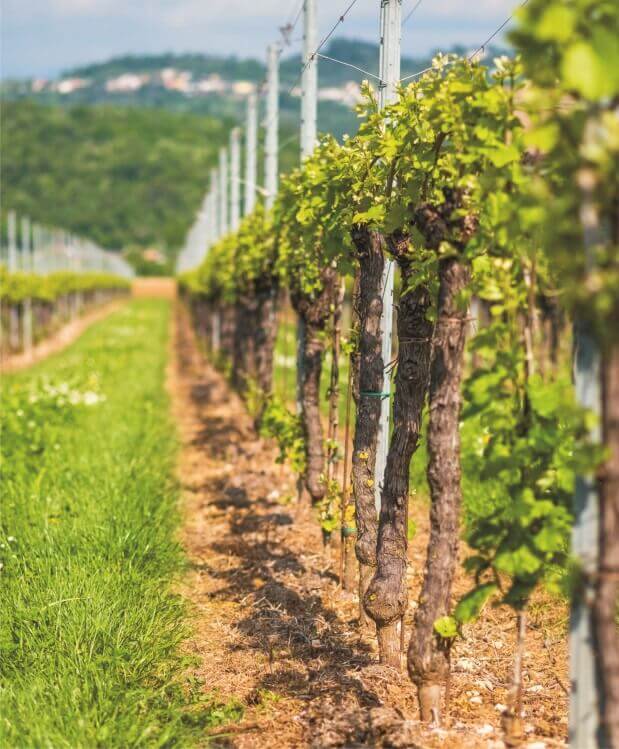
Vines can be grown commercially wherever conditions allow, and today vineyards are found all over the world. Most are located between 30° and 50° latitude North and South of the equator. The style of wine produced is shaped by a combination of climate, landscape, soil, and grape variety. In many European regions, vineyard practices are also influenced by local wine laws and traditions, while New World countries often have more freedom to experiment - frequently drawing inspiration from the historic winemaking regions of Europe.
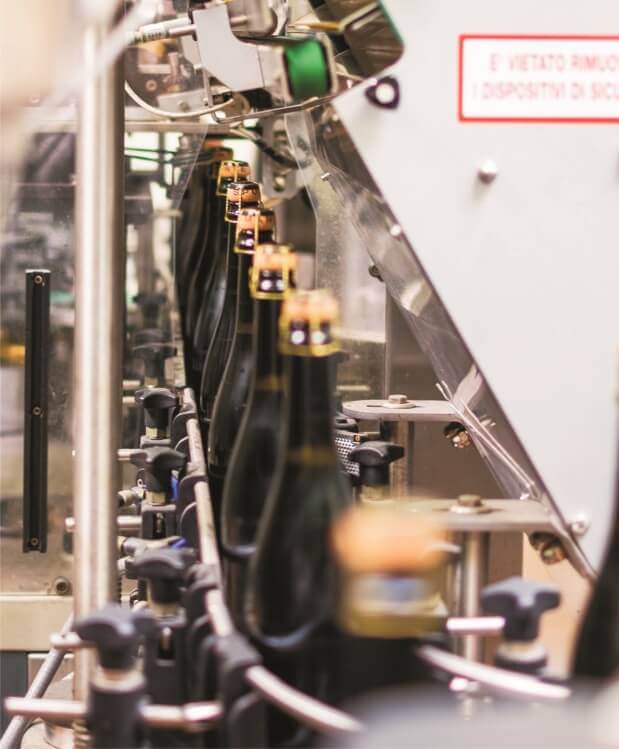
There have been huge changes in winemaking since the first wines were made, with many wineries adopting technology to ensure that the grapes grown in the vineyard reach the drinker in perfect condition. Good wine cannot be made from poor quality grapes, if the winemaker doesn't control the production process, even the perfect harvest can turn into bad wine.
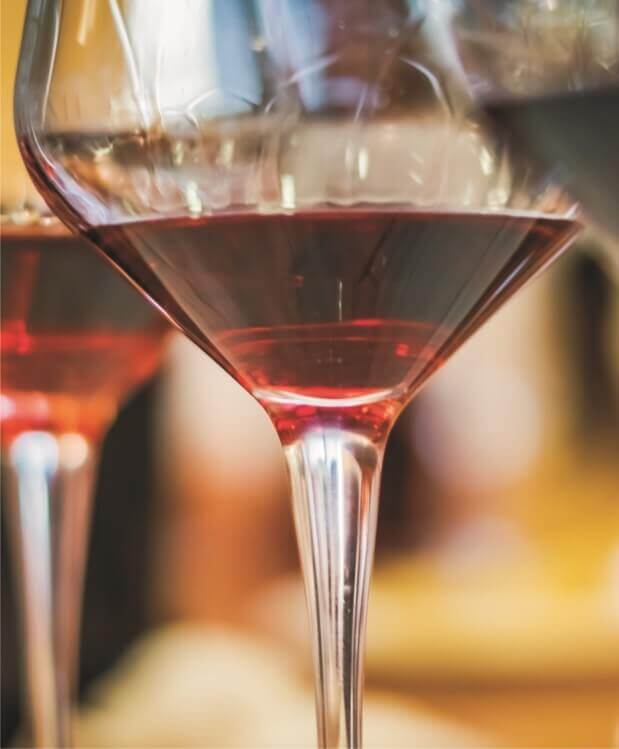
Red wines are made from red grape varieties. The colour comes from the skins which are allowed to mix with the juice until the desired colour is achieved. Different varieties have a range of characteristics which can add colour, body and tannin to the wine. Winemakers may also choose to use oak, which can further influence the flavour, texture, and complexity of the wine, or opt to let the fruit speak for itself without it.

White wines are typically made from white grape varieties, although it is also possible to produce white wine from red grapes, since the pulp is colourless and the skins are removed early in the winemaking process. The final style of the wine is shaped by a combination of factors, including the grape variety, the climate in which it is grown, and whether the wine is fermented or matured in oak, all of which contribute to its character, flavour, and texture.
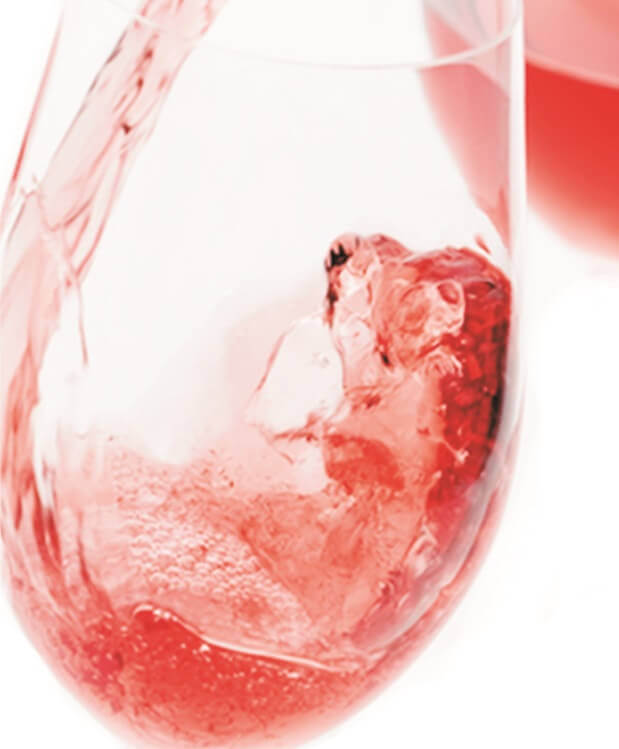
Rose wines are made from red grape varieties but range in style depending on their target market, the variety, and the region in which the grapes are grown. The winemaker controls the colour by adjusting how long the juice remains in contact with the skins, allowing them to achieve anything from a pale blush to a deeper pink. They also decide the final style of the wine, choosing whether to ferment it fully dry or retain some natural sweetness for a softer, more approachable profile.
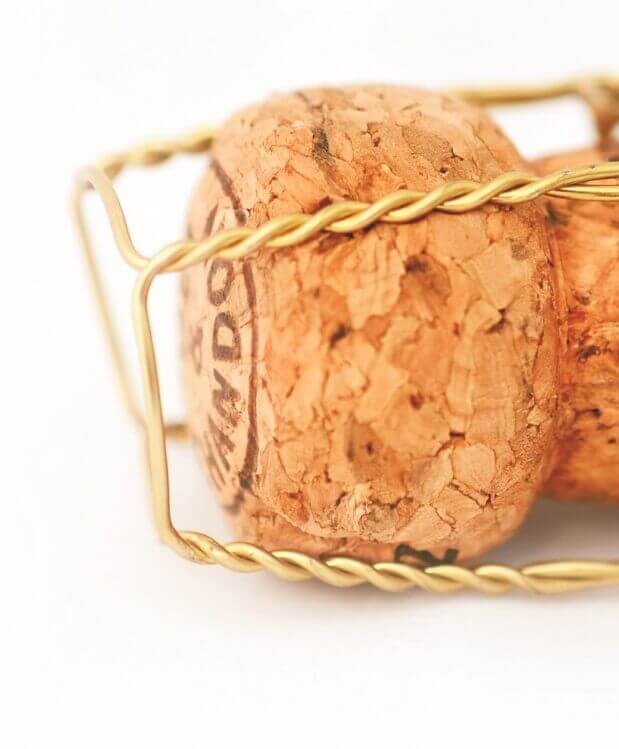
Sparkling wine undergoes a second fermentation, either in bottle or tank, which traps carbon dioxide within the wine and creates its characteristic fizz. While Champagne in France remains the most prestigious and widely recognised sparkling wine region, many wine-producing countries now produce excellent sparkling styles of their own. In recent years, the Italian Prosecco has become the fizz of choice in the UK.